

Safeguarding Your Business: Effective Risk Assessment Strategies
Many business owners underestimate how quickly unforeseen risks can drain their resources and threaten financial stability. Without a clear risk assessment, your business assets might be vulnerable to avoidable threats that disrupt operations or invite costly penalties. In this post, we’ll outline key risk management strategies that protect what you’ve built and keep your business compliant with regulatory demands. Learn more here.
Understanding Risk Assessment

When it comes to protecting your business, understanding risk assessment is crucial. Knowing where potential threats lie can save you time, money, and stress. Here’s what you need to know.
Importance of Risk Assessment
Risk assessment is like a spotlight on potential hazards that could harm your business. By identifying these risks early, you can take proactive steps to safeguard your assets. This approach not only protects your finances but also keeps your operations running smoothly. For instance, a recent study found that 75% of businesses that conduct regular risk assessments experience fewer disruptions.
Imagine a small restaurant assessing the risk of equipment failure. By recognising this, they save money on urgent repairs and avoid shutting down unexpectedly. Your business could benefit from similar foresight, ensuring you stay one step ahead of potential issues.
Understanding the importance of risk assessment means recognising that every business, big or small, faces threats. Neglecting this can lead to unexpected costs and operational hiccups. Most business owners think they’re immune, but the reality often proves otherwise.
Identifying Business Assets
Your assets are the lifeblood of your business. Identifying them accurately is the first step towards protecting them. These assets include everything from physical property to intellectual property and even your workforce.
Consider a tech startup. Their assets not only include their office space and equipment but also the innovative software they’ve developed. Recognising this breadth ensures comprehensive protection strategies.
As you identify your assets, remember to think beyond the obvious. Assets can also be non-tangible, like your brand reputation. Protecting these ensures long-term success and stability. This mindset shift is often a game-changer for many business owners.
Strategies for Asset Protection
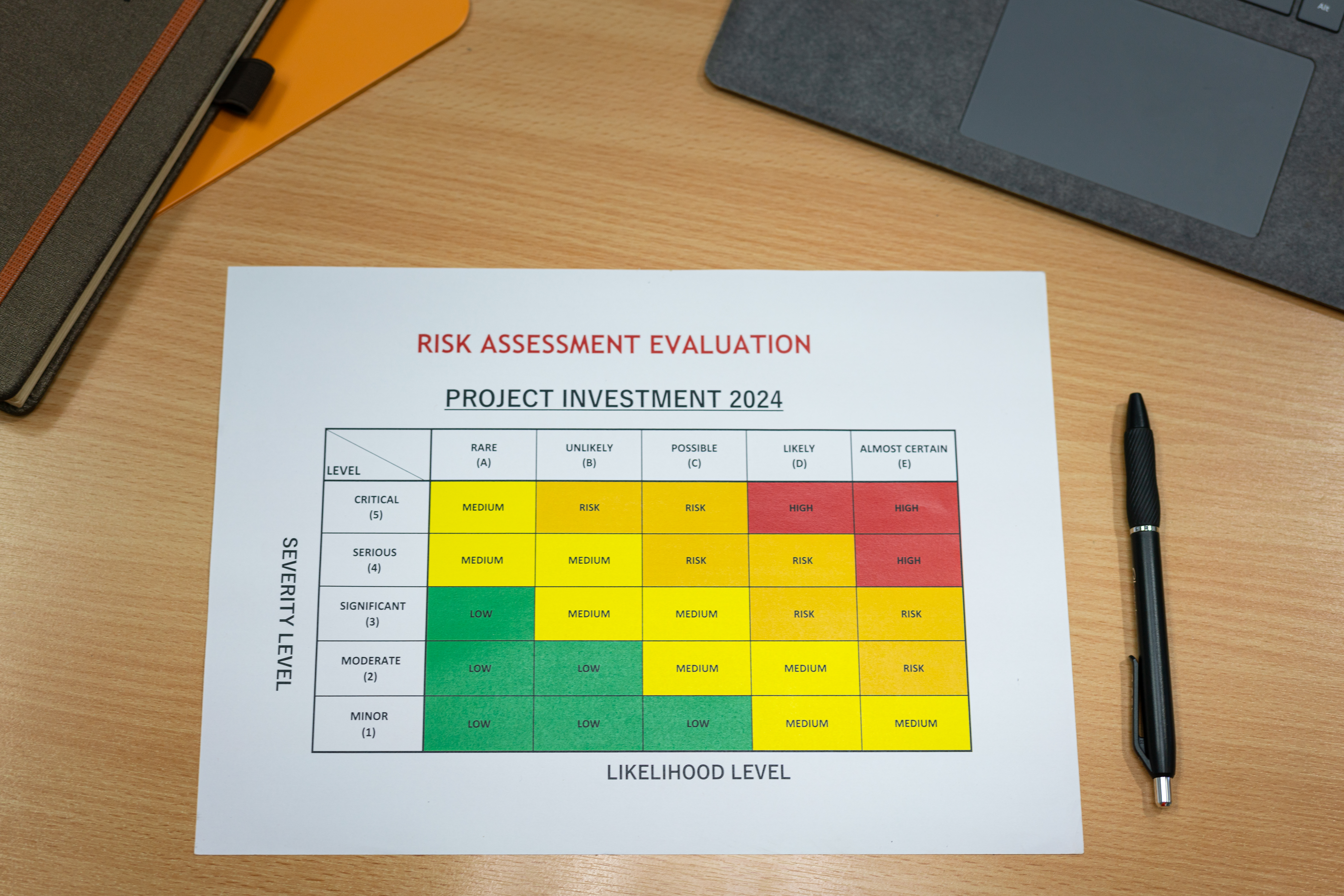
Once you’ve identified your assets, the next step is to protect them effectively. This involves implementing strategies that offer robust protection against potential threats.
Risk Management Strategies
Effective risk management strategies are the backbone of asset protection. These strategies involve anticipating potential risks and developing plans to mitigate them. Explore more strategies here.
Start by creating a risk management plan. This plan should outline possible risks and the actions you’ll take to address them. For example, a retail business might face risks like theft or data breaches. Their plan could include installing security systems and updating software regularly.
Regularly reviewing and updating your risk management plan is crucial. As your business evolves, so do the risks. Staying updated ensures you’re always prepared for new challenges. This proactive approach sets successful businesses apart from those constantly playing catch-up.
Ensuring Financial Stability
Financial stability is a cornerstone of any thriving business. Without it, even minor setbacks can become major obstacles. Ensuring financial stability involves more than just maintaining a healthy cash flow.
One effective strategy is diversifying your income streams. This reduces reliance on a single source and cushions against unexpected downturns. For instance, a business offering both products and services can maintain stability even if one sector faces challenges.
Another aspect is having a financial buffer or emergency fund. This fund acts as a safety net, providing support during challenging times. It’s a simple yet powerful tool for maintaining stability and peace of mind.
Achieving Compliance and Security

Compliance and security go hand in hand with risk management. Ensuring your business adheres to regulations not only fosters trust but also mitigates potential risks.
Navigating Regulatory Adherence
Navigating the world of regulations can seem daunting. However, it’s essential for protecting your business. Compliance prevents legal issues and fosters a positive reputation. Discover best practices here.
Begin by staying informed about industry-specific regulations. This knowledge empowers you to implement necessary changes before they become mandatory. Most business owners see regulations as a burden, but they’re actually a roadmap to safer operations.
Establishing a compliance checklist is a practical step. This tool ensures you regularly review and meet all necessary requirements. Over time, maintaining compliance becomes second nature, reducing stress and enhancing your business’s reputation.
Contact FRANKR for Tailored Solutions
If navigating these strategies feels overwhelming, know that you’re not alone. FRANKR offers tailored solutions to help protect your business assets and ensure compliance. Our expert team understands the unique challenges faced by small to medium-sized businesses.
By partnering with FRANKR, you gain access to a wealth of knowledge and resources. Our personalised approach ensures your business receives the protection it needs, allowing you to focus on growth and innovation. Remember, the longer you wait, the more vulnerable your assets become. Secure your business’s future with expert guidance from FRANKR today.