

Avoiding SARS penalties: Top mistakes in tax return submissions and how to prevent them
Missing a deadline for your VAT201 return or submitting an IT14 company income tax return with errors can quickly lead to SARS penalties that drain your cash flow and add stress. Many SMEs and startups unknowingly make common mistakes that trigger late submission penalties or understatement penalties, putting their businesses at risk. In this post, you’ll learn which errors to avoid and get a clear tax compliance checklist to keep your filings accurate and on time. For more information on common tax return mistakes, you can visit this page.
Common Mistakes in Tax Submissions
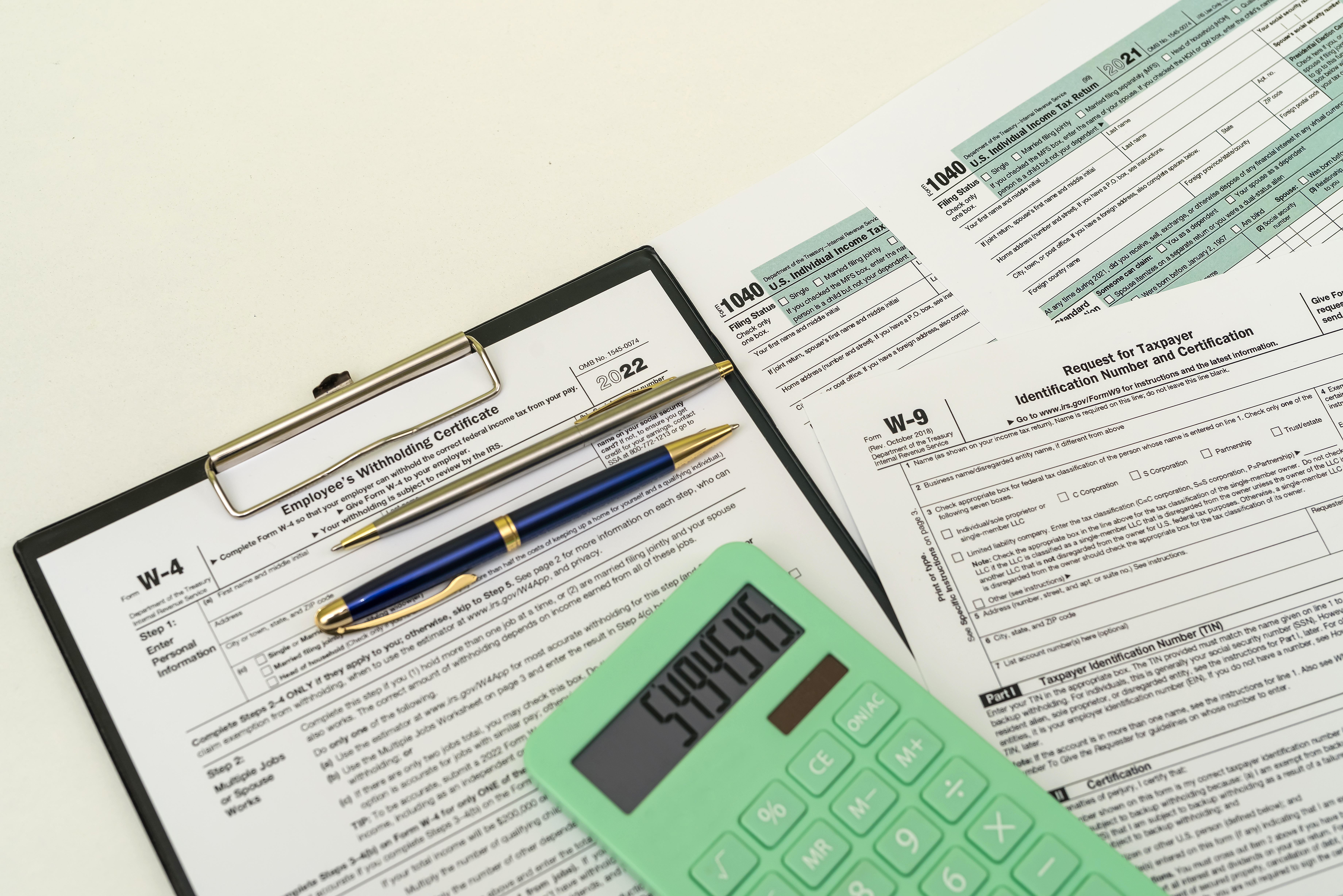
Ensuring your tax submissions are error-free is crucial for avoiding penalties. Let’s explore some common pitfalls.
Missteps in IT12 and IT14 Returns
When filing your IT12 individual tax return or IT14 company income tax return, accuracy is key. Many businesses falter by failing to report all income streams. This oversight can lead to understatement penalties that hurt your finances. Moreover, incorrect deduction claims are a frequent snag. For instance, claiming personal expenses as business deductions can trigger audits.
Another common error is neglecting to update personal details. An outdated address or contact information might result in missed communications from SARS, increasing your risk of penalties. Always double-check entries for accuracy. If you’re unsure, consult a professional to avoid costly mistakes. For more tax filing errors to avoid, check out Signal Financial’s guide.
Errors in VAT201, PAYE201, and EMP501
VAT201 and PAYE201 submissions require meticulous attention to detail. Misreporting sales or wages can lead to substantial fines. For VAT201, ensure all taxable supplies are accurately recorded. Miscalculations here can affect your business’s credibility.
In PAYE201 submissions, incorrect employee tax deductions can lead to discrepancies with EMP501 reconciliations. This can result in SARS inquiries or audits. Always cross-verify figures with payroll records before submission. Keeping these submissions error-free protects your business from unnecessary stress.
Overlooked Record-Keeping Requirements
Proper record-keeping is the backbone of any successful tax submission. Failing to maintain comprehensive documentation can lead to issues during SARS audits. Ensure all financial records, such as invoices and receipts, are stored securely for at least five years.
Disorganised records can lead to misreported figures and penalties. To avoid this, establish a reliable record-keeping system. Regularly update it with new financial data. This practice not only ensures compliance but also provides valuable insights into your business operations. For more on avoiding tax mistakes, refer to Equifax’s tips.
Prevention Strategies for Tax Errors
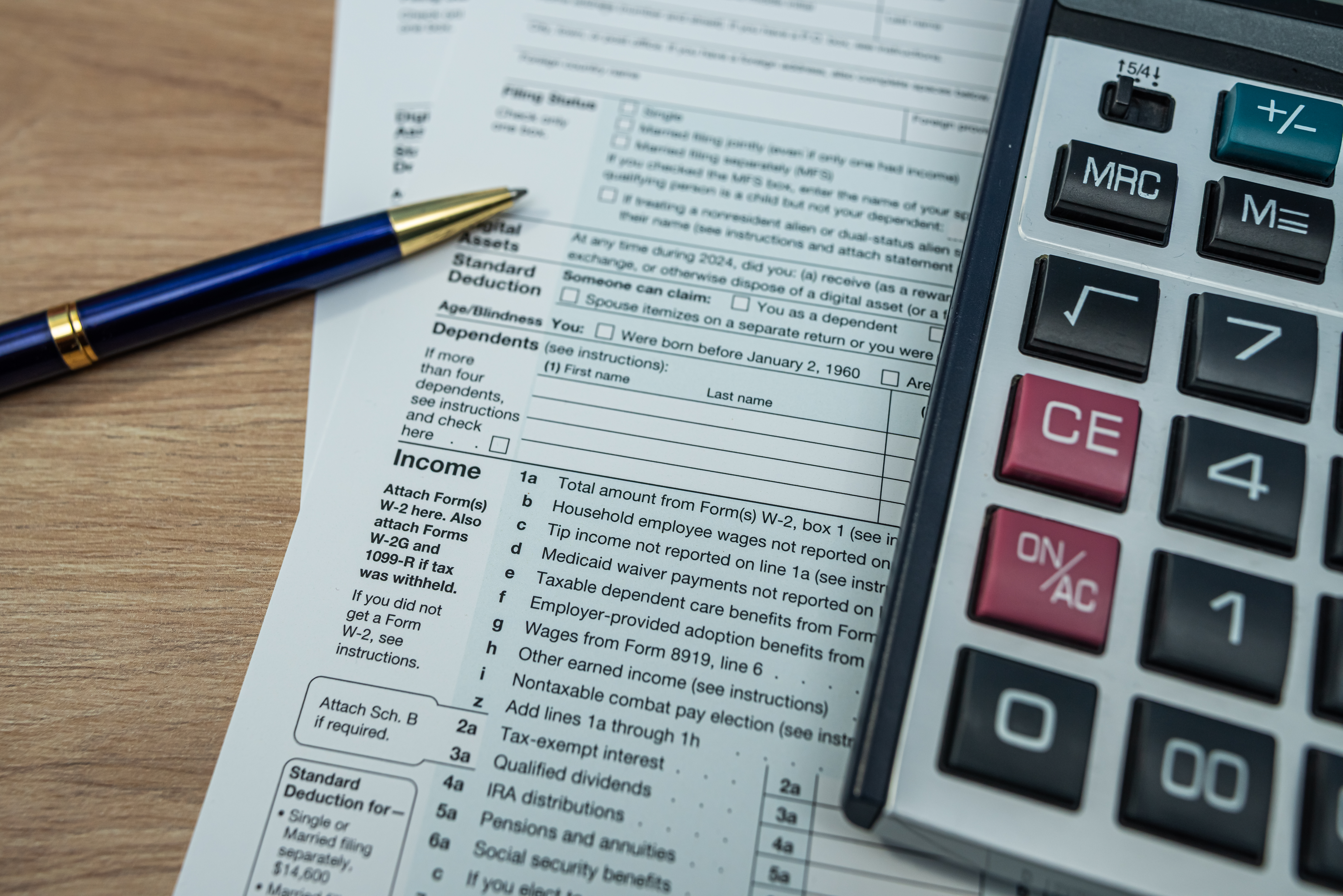
Putting preventive measures in place can shield you from tax errors and penalties. Let’s examine these strategies.
Creating a Tax Compliance Checklist
A tax compliance checklist is your roadmap to accurate filings. Begin by identifying all necessary documents. This includes IRP5 certificates, invoices, and bank statements. Regularly update this checklist to reflect any changes in tax regulations.
Next, schedule regular reviews of your financial records. This ensures that you stay on top of any discrepancies. By following a structured checklist, you minimise the risk of errors creeping into your submissions. Implementing this simple strategy can save your business from costly penalties.
Importance of an Accurate eFiling Profile
Your eFiling profile is the gateway to efficient tax submissions. An inaccurate profile can lead to misfiled returns or missed deadlines. Start by verifying all details on your profile. Ensure your contact information and banking details are up-to-date.
Additionally, regularly check for SARS notifications on your eFiling profile. These alerts can provide insights into pending submissions or required updates. Keeping your eFiling profile accurate ensures smooth interactions with SARS and helps avoid unnecessary penalties.
Ensuring Timely and Accurate Submissions
Timely submissions are crucial to maintaining tax compliance. Late submissions often result in penalties that can strain your business finances. Set reminders for all tax deadlines. This simple step ensures you never miss a submission date.
Accuracy is equally important. Before filing, double-check all figures and documentation. Consider investing in accounting software or consulting a tax professional for added accuracy. By committing to timely and accurate submissions, you safeguard your business against unnecessary financial penalties.
Practical Guidance for Avoiding Penalties
Taking proactive measures can help you steer clear of penalties. Here’s how to navigate potential pitfalls.
Managing SARS Verification and Supporting Documents
SARS may request verification to confirm your tax details. Being prepared with supporting documents is essential. Maintain a well-organised system for storing invoices, receipts, and contracts. This ensures you can quickly provide any requested information.
Promptly responding to SARS verification requests is crucial. Delays can lead to penalties or audits. By having your documents in order, you demonstrate compliance and reduce the risk of penalties. For more detailed guidance, the IRS provides a helpful resource on common tax filing mistakes.
Handling Understatement Penalties and Interest
Understatement penalties can arise from reporting inaccuracies. To avoid these, ensure all figures on your returns are accurate and supported by documentation. Regularly review your submissions for potential errors before filing.
If you do encounter an understatement penalty, address it promptly. Correct the error and communicate with SARS to resolve the issue. Transparency can sometimes lead to reduced penalties. By managing these proactively, you protect your business from further financial strain.
Effective SARS Debt Management and Penalty Remission
In cases of outstanding tax debts, effective management is key. Begin by assessing the total debt amount and any accruing interest. Contact SARS to discuss possible payment arrangements. Open communication can lead to favourable terms.
For penalty remission, understand the criteria SARS uses to assess requests. If you believe a penalty was issued unfairly, gather supporting evidence and submit a detailed appeal. By taking control of your tax debts, you can negotiate more manageable terms and potentially reduce your financial burden.
Remember, understanding and addressing these common mistakes can significantly reduce your risk of penalties. Adopting these strategies ensures your tax submissions are accurate, timely, and compliant.